


“Being Able to Contribute to Our Country’s Security Every Day Is an Amazing Feeling”
July 30, 2026
Meet four LSU students in computer science, specializing in cybersecurity and AI, who are working with national laboratories to protect the nation.
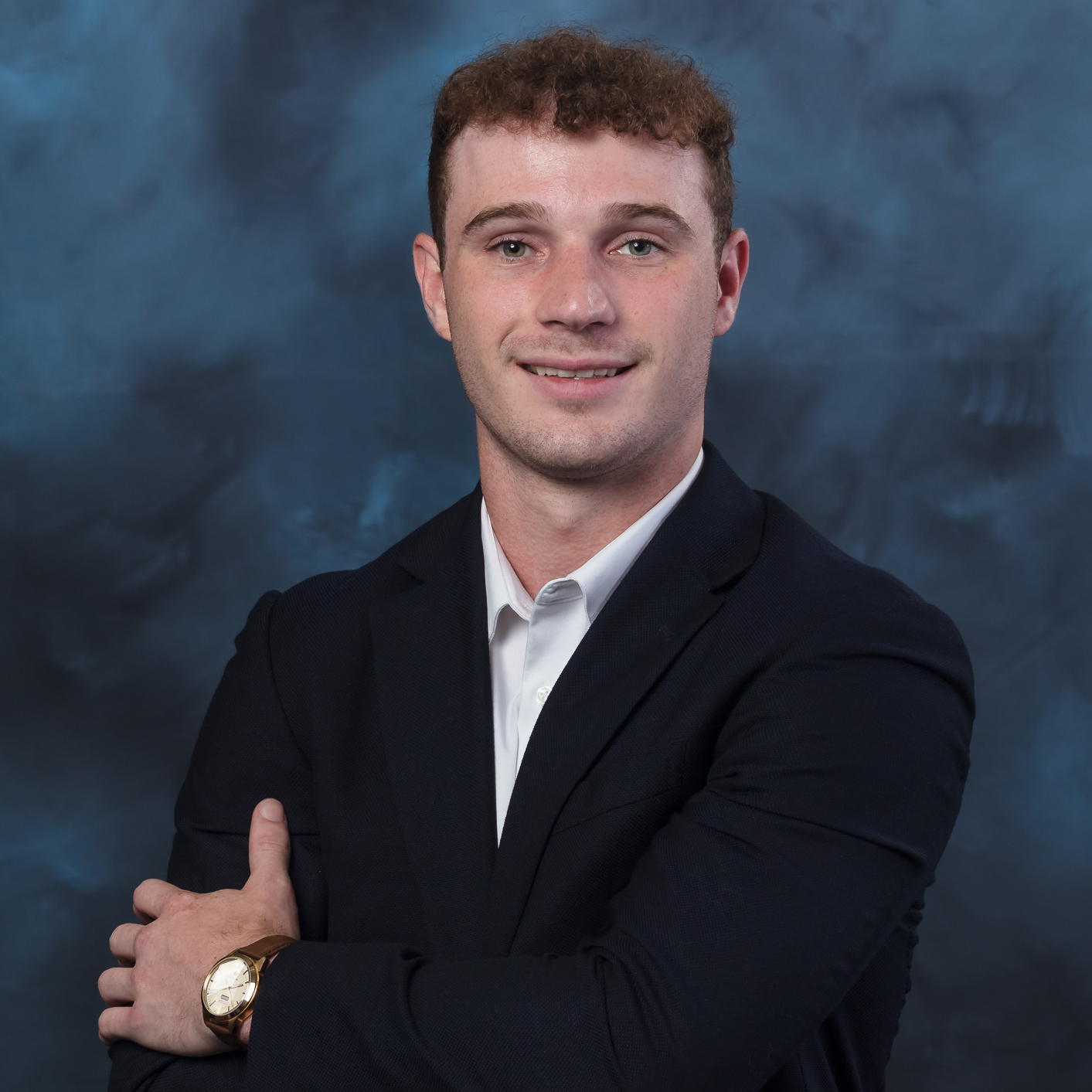
Peyton Andras from Thibodaux, Louisiana
... is a doctoral student in computer science with support from the National Science Foundation’s Scholarships for Service program who is working with Oak Ridge National Laboratory. (LSU advisors: James Ghawaly, Elias Bou-Harb, Golden G. Richard III)
What are you working on?
I am working on a couple of projects with Oak Ridge National Laboratory. They are both centered around nuclear security, using different techniques such as neuromorphic computing, a brain-inspired approach to hardware design that mimics human neural networks.
Why is this work important to you?
Not only does it result in a direct impact and is very rewarding, but it’s also never-ending learning that allows me to grow and solve real problems that help enhance our country’s security. Being able to contribute to that every day is an amazing feeling.
How does your research impact the nation?
Nuclear detection is an important part of national security, and intelligent systems help keep people safe.
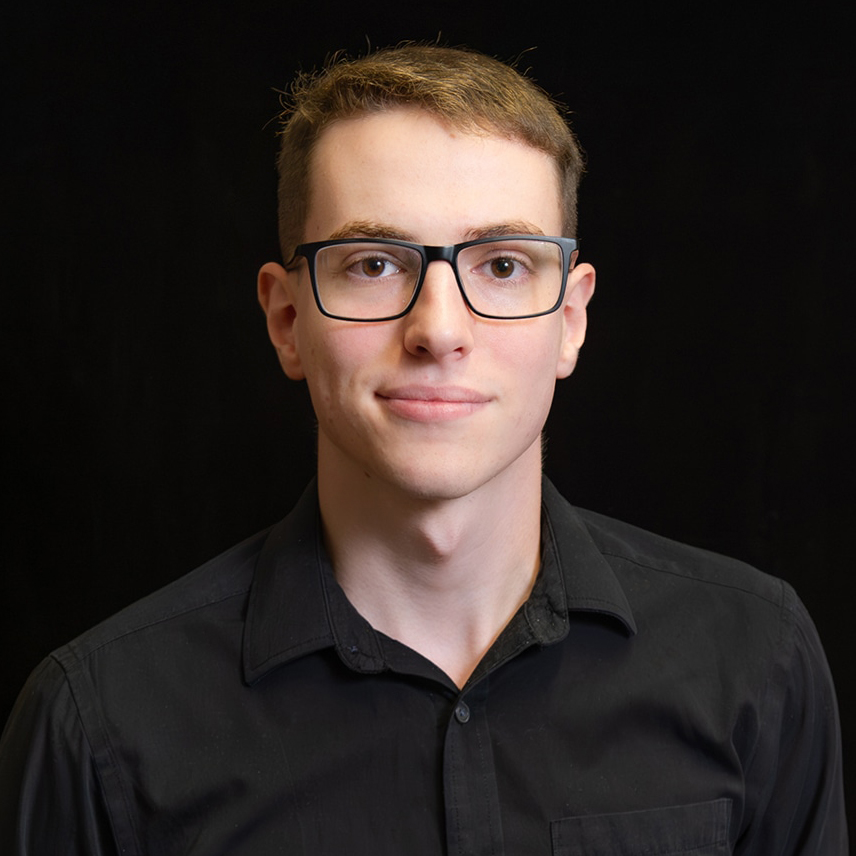
Samuel Hildebrand from Fisher, Louisiana
... is a doctoral student in computer science at LSU who just graduated with his master’s degree and is now employed full-time as a cybersecurity researcher at Oak Ridge National Laboratory. (LSU advisors: James Ghawaly, Golden G. Richard III)
What are you working on?
I’m working on a project that examines AI systems and considers how they can be made more robust against attacks, manipulation, or other interference. It’s important to me that AI changes the world for the better, not the other way.
Tell me more about that?
Cybersecurity enticed me with the way it rips away abstractions and seeks a deeper understanding of computer systems, and we need more folks with a “hacker mindset”—people who want to understand how everything works.
How does your research impact the nation?
The research here at Oak Ridge touches almost every field you can think of. Some people do biological and zoological research, some were involved in the discovery of element 117, Tennessine, and some research the quantum nature of the universe and how we can use it for computing. Science here is massively collaborative, so it’s not difficult to get involved in research that interests you. My desk is a two-to-three-minute walk from the second largest supercomputer in the world right now.
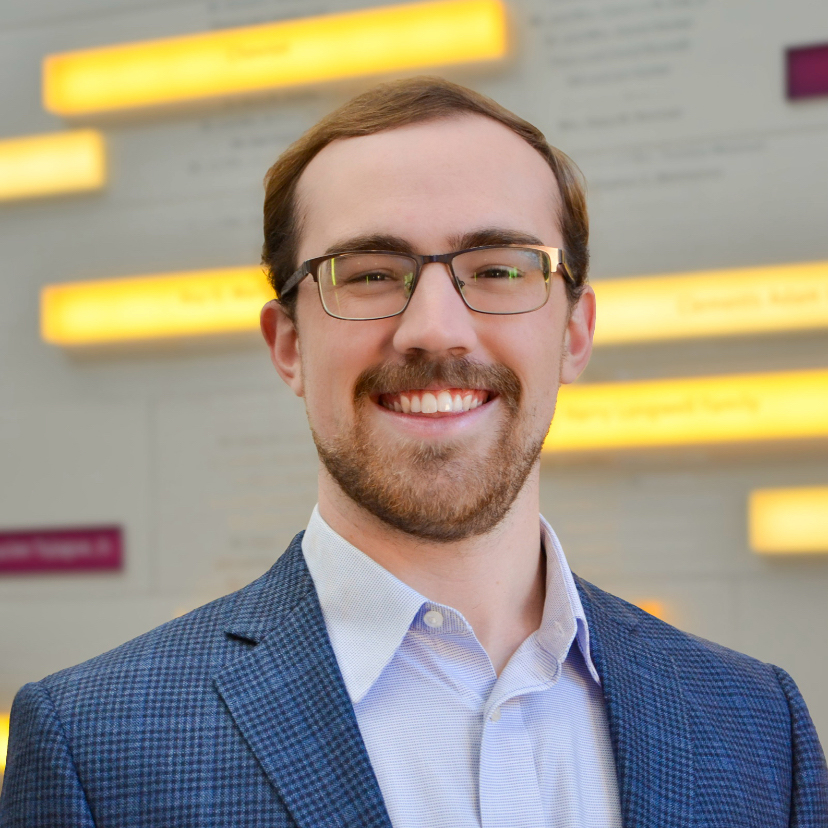
Joshua McCain from Houma, Louisiana
... graduated in May with a master’s degree in computer science and is now working at Oak Ridge National Laboratory while pursuing his PhD. (LSU advisors: James Ghawaly, Golden G. Richard III)
What are you working on?
Various methods in steganography; how to embed secret messages in digital media files.
Why is this work important to you?
I’ve always loved solving tough logical problems, and making software helps me fulfill that.
Working this project has helped me become a more dynamic cybersecurity specialist, expanding my knowledge to new areas.
How does your research impact the nation?
Exploring these methods helps us better understand how to prevent malware from ending up on our computers or confidential data being leaked in secret.

Aidan O’Donnell from Ponchatoula, Louisiana
... is a doctoral student in computer science who is participating in a seven-week research internship at Lawrence Berkeley National Laboratory. (LSU advisor: James Ghawaly)
What are you working on?
I’m primarily working on advanced deep learning techniques for radiation anomaly detection that uses sequential gamma-ray spectra. We are shifting from static spectra to temporal sequences to improve mobile detection with dynamic background signatures.
I’m also working on finding ways to map real-time spatial context, such as the solid angles of surrounding buildings, to enhance our model’s understanding of the environment during mobile detection.
Why is this work important to you?
This work allows me to bridge my background in physics with emerging technologies. Being able to detect national threats has always been interesting to me, so being a part of the non-proliferation mission is amazing.
How does your research impact the nation?
By improving mobile radiation detection algorithms and developing methods to dynamically account for natural environmental background radiation—like potassium, uranium, and thorium variations in building materials—we significantly enhance the accuracy, verification, and reliability of detecting anomalous radioactive sources in the field.